
We’re sharing our top (super practical!) money-saving tips for traveling Iceland on a budget without blowing the bank!

Let’s get one thing straight: Iceland is an expensive country. I’d be lying if I told you anything different. And when you really think about it, it makes sense—almost everything has to be imported to this volcanic island in the North Atlantic.
It’s true: Iceland is one of the most expensive places we’ve ever traveled. But that doesn’t mean it’s only for luxury travelers. We are proof that you absolutely can travel to Iceland on a budget. A very tight budget, in fact.
After multiple trips to Iceland, we’ve learned where it’s worth spending a little extra—and where you can save a lot without sacrificing the experience.
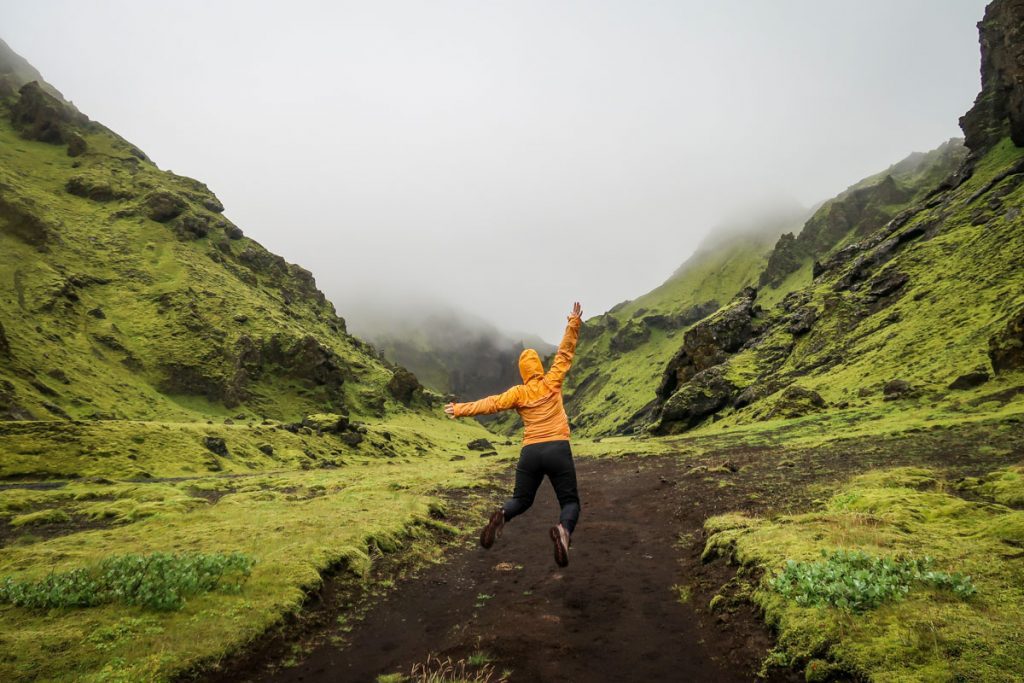
In this guide, we’re sharing our best tried-and-true tips for traveling Iceland on a budget, from food and transportation to accommodations and activities.
Whether you’re backpacking, road-tripping, or planning your first visit, these tips will help you stretch your money further and focus on what really matters: unforgettable landscapes, epic adventures, and memories that last far longer than the price tag.
Iceland On a Budget Guide
Bonus! Want all the planning done for you? Check out our perfect Iceland itinerary for your first trip!
First things first…
Why is Iceland so expensive?
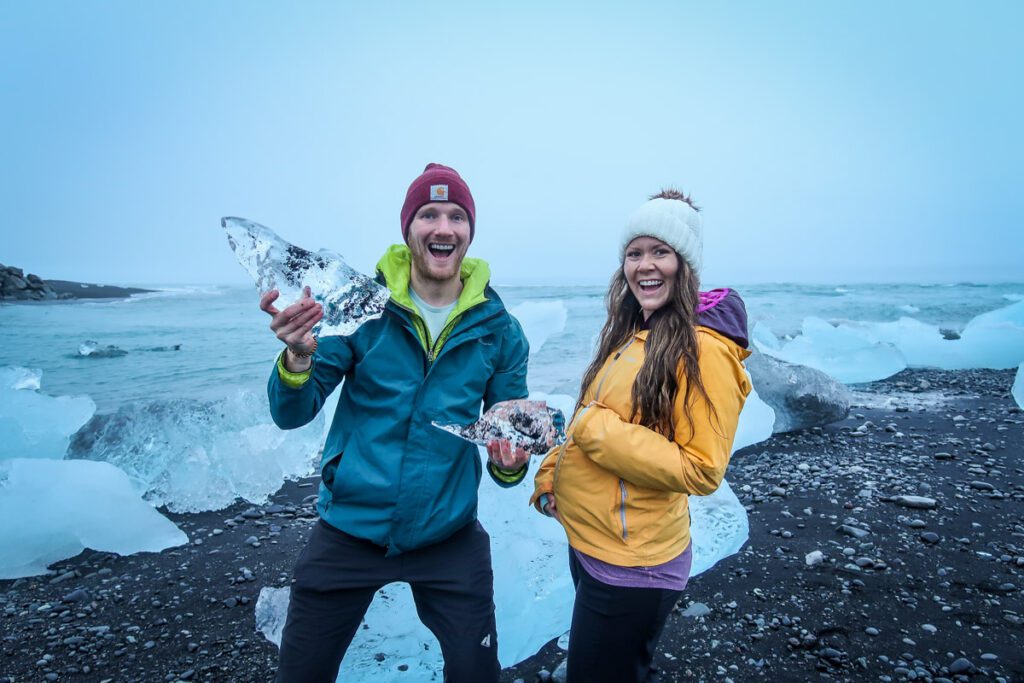
Iceland isn’t just expensive for travelers—it consistently ranks as one of the most expensive countries in the world for cost of living.
One of the biggest reasons is its location. As an island nation, most goods have to be imported, including things you wouldn’t normally think about, like farming equipment. Those import costs ripple through the economy, driving up prices for groceries and restaurant meals.
Fuel is also imported, which makes gas expensive and increases the cost of transporting goods across the country.
On top of that, Iceland’s surge in popularity as a travel destination, combined with a limited supply of hotels and Airbnbs, means accommodations often come with a premium, especially during peak season.
Now, are you ready to find out how to travel Iceland on a budget? Let’s jump right in…
Before your trip
Before you pack your bags and board that plane, there are many things you can do to ensure you don’t overspend on your trip to Iceland.
1. Create a travel budget
If you want to be mindful about spending, how will you know when you’ve gone overboard if you don’t set boundaries? Creating a realistic travel budget will help you stay on track during your trip.
Before any major trip we take, we sit down and have a serious budget talk that goes something like this…
- Ben: “I think our total budget should be [blank].”
- Katie: “But I want to do [insert splurge activity] and eat lots of [insert local food]. I think our budget should be [number higher than Ben’s].”
- Ben: *Rolls eyes and knows he lost the argument.*
I’m exaggerating a bit, but only slightly.
How to make a travel budget
Before your trip, come up with a total number that you feel comfortable with. Now, do some research on the types of activities you want to do and the type of accommodation you plan to stay at. Be sure to read our Iceland travel budget article carefully—we share exactly how much our Iceland trip cost us and how to use those number to estimate your own Iceland budget.
→ Want more details on making a fail-safe travel budget? We’ve got a breakdown of exactly how we make travel budgets (no matter where in the world we’re exploring)!
Once you’ve made sure your overall budget is in fact realistic, divide that number by how many days you’ll be traveling in Iceland. This should give you a daily spending goal.
Personally, we always like to add a bit of a “cushion” to this number so incidentals are covered (or we have a bit of extra money for things like souvenirs!).
Important: Don’t forget to factor travel insurance into your total budget.
Now you have your daily budget in mind, but the work’s not over. In our next tip, we’ll share what we do with our daily budget so we don’t blow it…
Budget tip: our South Coast itinerary is only $19 and it’ll save you way more than that. When you know exactly where you’re going each day, you avoid doubling back, wasting fuel, and paying for the wrong accommodation. Plus we’ve marked which experiences are worth splurging on. See what’s inside the South Coast itinerary →
2. Keep track of your spending
One of our all-time favorite ways to stay on top of our travel budget – no matter where in the world we are – is by keeping track of our expenses.
I mean, you can travel with the intention of sticking to a budget, but if you don’t know how much you’re spending you’ll definitely blow the bank.
There are tons of handy apps out there for this purpose. We personally like TravelSpend because it works seamlessly between currencies and allows you to create categories.
That way, we always know how much money we’re spending on gas, accommodation, food, etc. and we can decide to cut back in certain areas if necessary.
→ Psst! We’ve got more Iceland travel apps we’d recommend downloading before your trip!
3. Understand the conversion rate
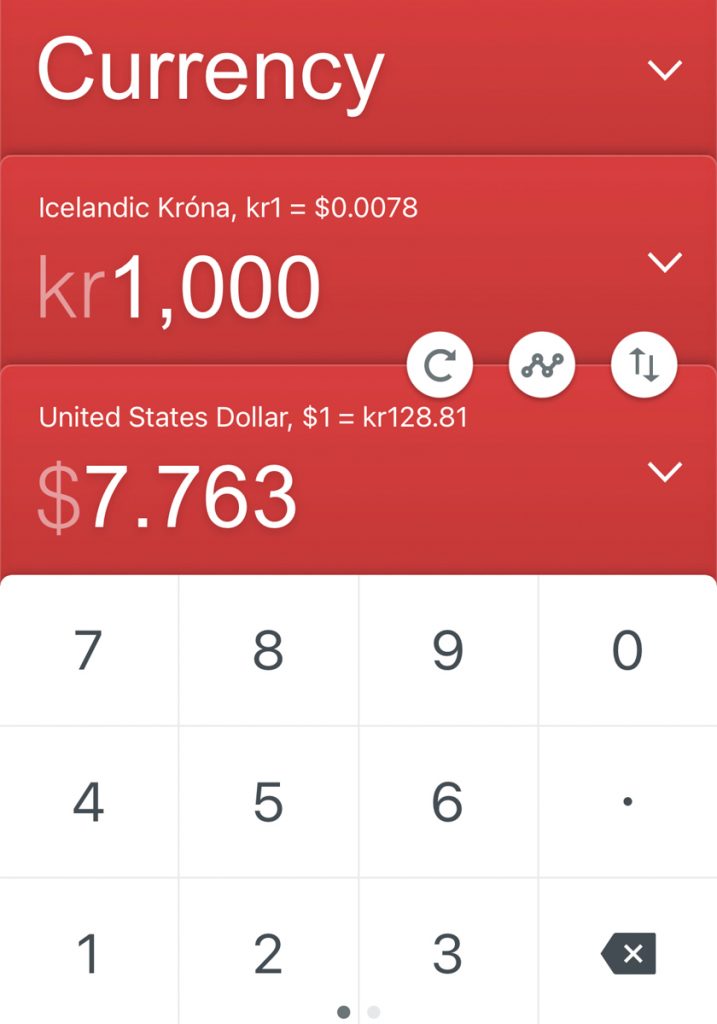
One of the easiest ways to overspend abroad is not understanding the exchange rate, which makes it hard to grasp how much you’re actually spending. We’ve personally witness travelers shrug off prices as “Monopoly money,” only to realize later how quickly it adds up.
To avoid this, use a currency conversion app. We personally use GlobeConvert, which shows up-to-date exchange rates and also converts kilometers to miles and Celsius to Fahrenheit—especially handy for US travelers in Iceland.
4. Book early for peak season travel
I’m going to be honest with you: We’re usually kind of lazy about booking things before our trips. Often, we’ll be making reservations for hotels and activities just a couple of weeks before we depart.
But NOT for Iceland.
Being that most travelers choose to visit Iceland from June through August, this means that high season is just a 90-day span.
Imagine what that means for hotels and tour operators.
For the best prices (and to ensure that you get to do all the things you want to on your trip!), start making reservations for your Iceland trip early. Even if you are a serial trip-planning procrastinator, like us.
We’d recommend booking your Iceland trip 6 months out from your travel dates, if at all possible.
5. Don’t take out krona
While traveling in most places around the world, we get local currency as we almost always need it and sometimes you can get better prices with cash versus credit cards.
However, while traveling in Iceland, our advice is this: Don’t take out krona.
Let me repeat that: Don’t take out cash at all.
Pretty much everywhere in Iceland will accept credit cards. Yes, even remote farm stands and campgrounds. During multiple trips to this country, we’ve spent nearly a month in Iceland and have never once had to use cash.
You don’t want to be stuck with krona at the end of your trip that you’re just trying to spend to get rid of.
Credit card tips
- It should go without saying, but make sure the cards you take have zero foreign transaction fees.
- Be sure to let the bank or credit card company know that you’ll be traveling to Iceland so they don’t flag your purchases as suspicious.
- It’s a good idea to bring a debit card that has a PIN number with you. This can be useful for paying for gas as some gas stations require a PIN in order to pay without an attendant. (And most US credit cards don’t use PIN numbers.)
- Since you’ll be using your credit card for just about every purchase in Iceland, it may be a good idea to look into opening a new credit card account that offers a sign-up bonus. We sometimes do this before a big trip or a time when we know we’ll be making many credit card purchases. You can get some pretty sweet bonuses!
Still want to travel with cash?
If you prefer carrying some cash—or want a few bills as a souvenir—avoid currency exchange booths whenever possible. They usually offer poor rates and charge commission, no matter where you’re traveling.
Instead, withdraw local currency from an ATM, which almost always gives you a better exchange rate.
We use the Charles Schwab debit card because they reimburse all ATM fees, which can save you a surprising amount over a trip.
If you do need to exchange cash, never use airport exchange booths. Look for a commission-free exchange and compare the rate to the current one online before committing.
Want your trip 100% planned for you!?

We poured so much time & love into creating the PERFECT Ring Road itinerary that includes all the bucket list spots + lots of hidden gems. It also breaks down exactly how to spend each day to maximize your time (& therefore your budget!).
6. Pack wisely

Forgetting an item while traveling usually isn’t a big deal—but in Iceland, it can get expensive fast.
If you realize on day two of your vacation that you need more layers, you’ll be shelling out quite a bit of krona to get what you need. Plus, unless you’re in Reykjavík, you may not have all that big of a selection of items to choose from.
Our advice is to pack light but smart. Bring clothing items that will work in many situations. Be sure you have lots of layers. Bring comfortable shoes, and at least one pair that can get wet.
7. Visit Iceland during low or “shoulder” season

Traveling during peak summer means higher prices across the board, especially for rental cars and hotels. In contrast, winter rates can be nearly half the price, though shorter daylight hours limit how much you can see and do.
If it’s your first trip, summer is often the easiest time to visit. But for the best balance of lower prices and fewer crowds, aim for shoulder season (spring or fall). And if you’re up for a winter trip, you’ll score some serious deals—plus a chance to see the Northern Lights.
→ Psst! Find out the best time to visit Iceland for your travel style based on weather, crowds, and activities.
8. Make your trip to Iceland a layover
Iceland isn’t as remote as it looks—most flights between North America and Europe pass right over Reykjavík. Because of this, many airlines offer multi-day layovers in Iceland at little to no extra cost, and these tickets can sometimes be cheaper than direct transatlantic flights.
Even if you’re not planning a layover, flights to Iceland from North America and Europe are often surprisingly affordable.
→ Further reading: Discover our top tips for finding cheap flights. Also, set airfare alerts and sign up for a flight deal newsletter, like Thrifty Traveler. They dig through airline websites, find the best deals and send them straight to your inbox.
Save money on accommodation in Iceland
I’ll get straight to the point: Accommodation in Iceland is not cheap. That said, if you have an open mind, there are some ways you can save major money in this category.
9. Make it a camping trip
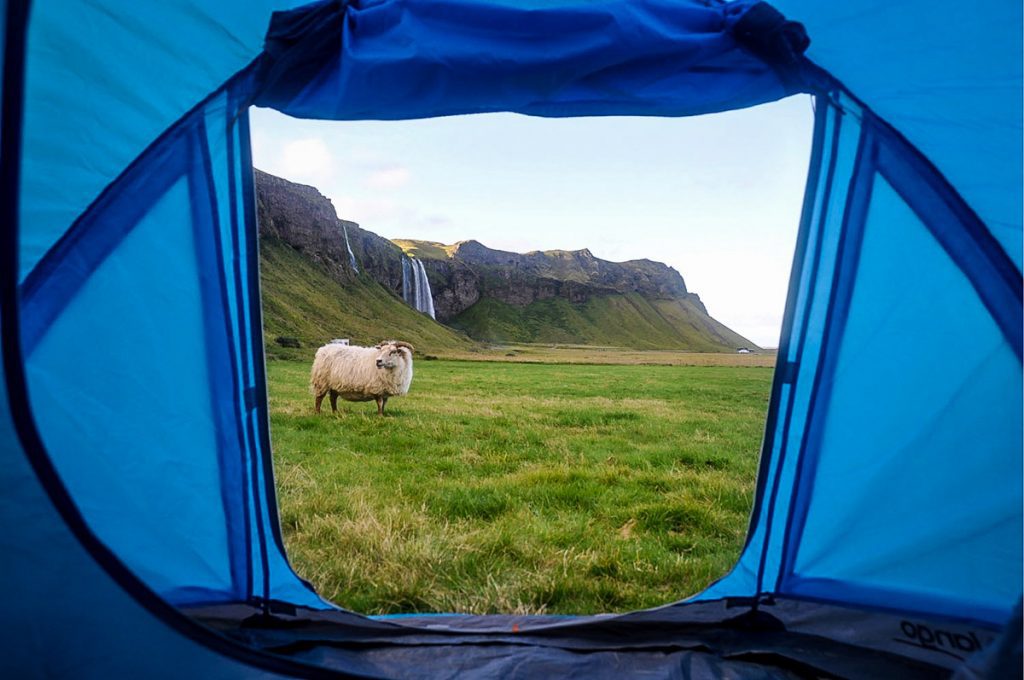
One of the best ways to save money while traveling in Iceland is to camp.
There are two main reasons for this:
- Campgrounds are cheaper than hotels. Like, a LOT cheaper.
- You have the ability to cook your own meals. Food can really add up in Iceland, so this can save quite a bit of money.
And then there’s just the fact that camping in Iceland is AWESOME. The country is very well set up for campers, and you’ll have the opportunity to see so many beautiful places that you’d otherwise miss.
If you’re considering camping in Iceland, you’ll have one major decision to make:
Will you tent camp or travel in a campervan?
We have done both in Iceland and think each has its own draw:
- Tent Camping: Overall, tent camping will be the absolute cheapest way to see Iceland. Bonus points if you have camping gear you can bring from home so you don’t have to rent any in Iceland.
- Campervan: On the flipside, campervans are arguably more comfortable, especially in Iceland’s famously windy and cold weather. Plus, you won’t ever have to worry about setting up camp in the rain, which is a huge perk! So perhaps the bit of extra money will be worth it for you.
Our opinion: While we enjoyed both trips immensely, we much preferred renting a campervan in Iceland over sleeping in a tent.
Save up to 25% on your campervan rental!
Campervan rentals aren’t cheap in Iceland, but there are ways to save.
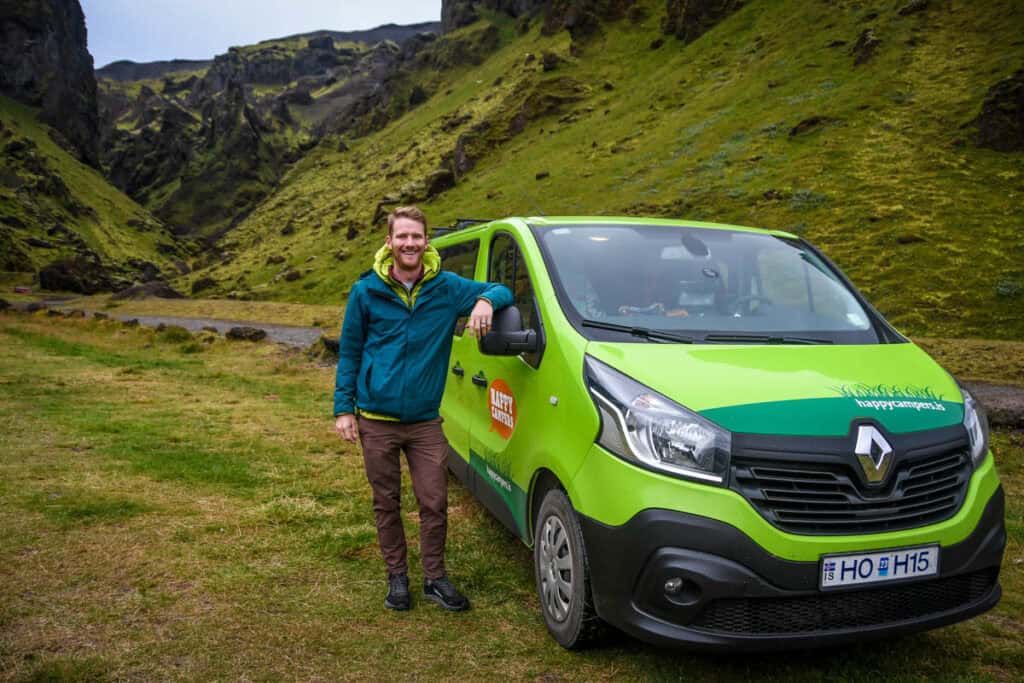
We’ve partnered with Happy Campers, a family-run campervan rental company in lceland, to offer you an exclusive 5% discount code: SOLES5.
This stacks with their early bird discount (10% for bookings 90+ days out) and long rental discount (5% for 7+ day, and 10% for 14+ days), bringing your total savings to up to 25%. On a 2-week rental, that could save you over €1,000 depending on the model.
→ Read more in our honest Happy Campers review.
10. Choose your hotels wisely
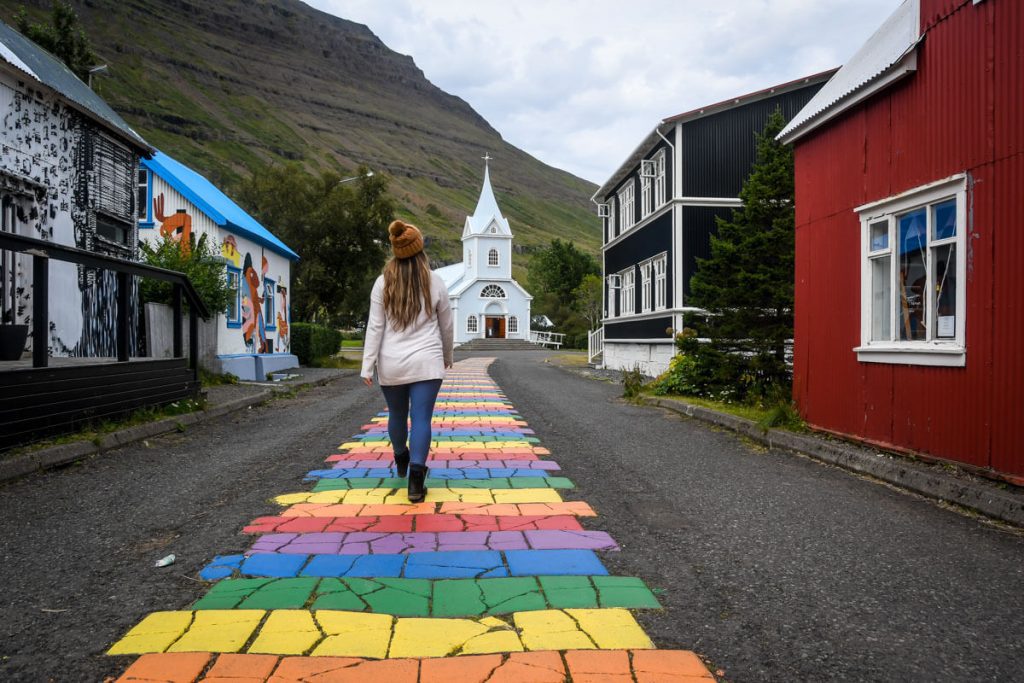
If you’re not into the whole camping thing, or maybe you want to do a hybrid trip with some camping and some shall we say more “traditional” accommodation, you’re gonna want to listen up.
Accommodation in Iceland can add up real quickly, especially during peak tourist season. Even the most budget-friendly hotels can sometimes start at well over $200 USD per night. I don’t know about you, but that’s a lot more than we typically like to pay for hotels.
Here are a few things to keep in mind as you’re searching for accommodation so you can be sure you’re getting the best price possible:
Start your search early
The best way to find a good deal is to be able to compare all the options. This tip is especially important if you’ll be traveling between the months of June and September, as hotels book up very quickly.
Our experience: We started our search for hotels in Reykjavík about 2 months prior to our trip and found okay deals, but a few of the places we would have liked to stay were fully booked for our dates.
We like to use Booking.com to compare hotel prices, ratings, and reviews. And we aim to choose hotels with 8.5 rating or higher.
→ Related: Want our foolproof system for finding the best stays? Read our genius system for booking the best accommodation.
Be flexible with your dates
If possible, try a few different date combinations and see if the prices vary. Obviously, this isn’t always possible, especially if you have already purchased your flight.
Is breakfast included?

I’m all about booking hotels or guesthouses that have breakfast included. And the hotel breakfasts we’ve had in Iceland have been really good (rye bread, smoked fish, meats, cheese, eggs, fruit and coffee!).
Not having to buy breakfast in the morning can save a bit of money, especially if you’re fond of having a hearty morning meal. However, if you’re more of a “I’ll eat an apple on the go”-type of person, having an included breakfast may not be a big perk for you.
Is it well-located?
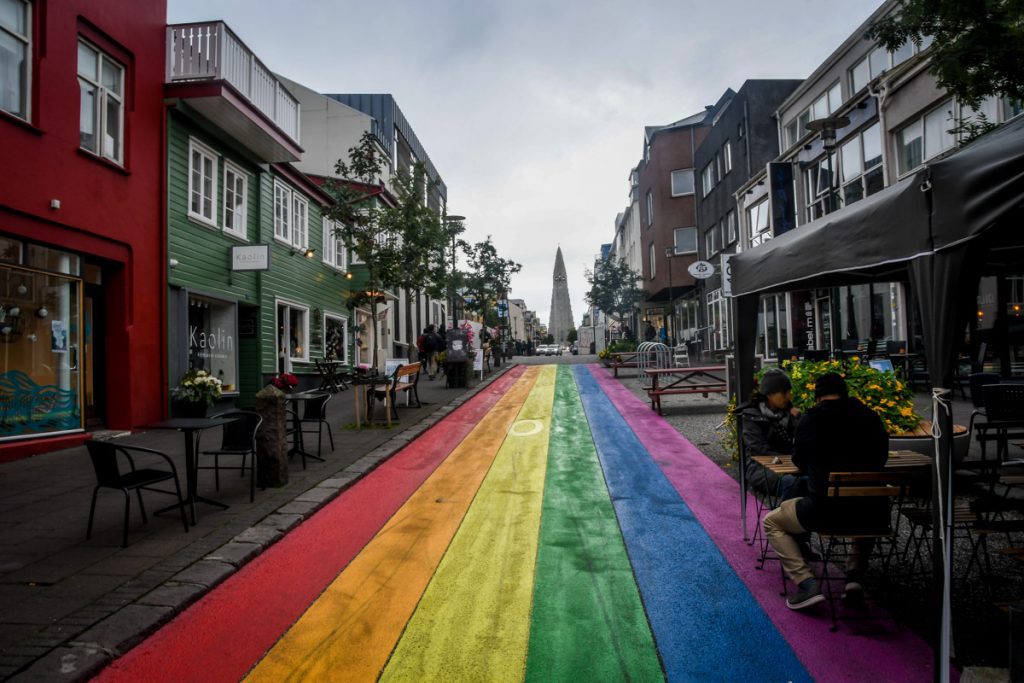
When booking a hotel in Reykjavík, we’d highly recommend choosing accommodation that is walking distance to the main sights.
While Reykjavík isn’t a huge city, transportation can really add up. If you need to take taxis or buses everywhere, you’ll be spending more money than you would on a hotel situated in the city center.
→Related: Check out our complete guide to Reykjavik for first-timers. We have a list of top recommended accommodation in there—all within walking distance of main sights.
It’s all about balance
If you’ll be staying in several places in Iceland, be ready to splurge in Reykjavík (where prices tend to be higher), and try to spend less per night elsewhere. Likewise, if you spend a couple of nights in bougie accommodation, balance it out with a few nights in a moderately-priced hotel.
11. Look into Airbnbs
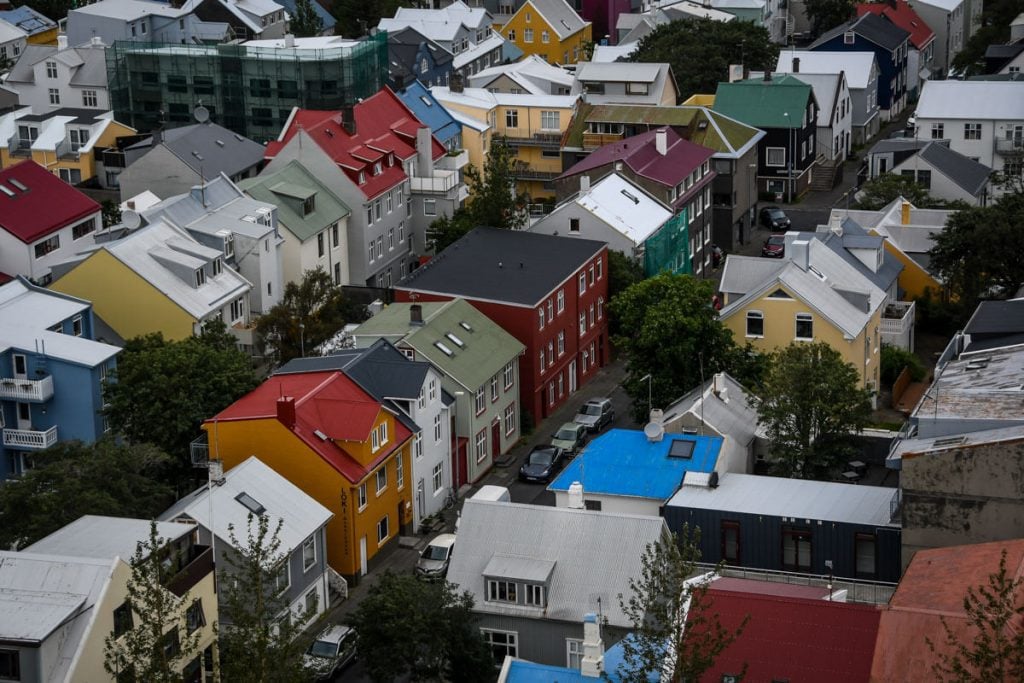
They can sometimes work out to be a better price than staying at a hotel. But the biggest opportunity for savings is that depending on the Airbnb, you may have access to a kitchen. This means you can cook some meals and thus save quite a bit of money.
We’ve rounded up a list of some of the dreamiest Airbnbs in Iceland, including a few that are budget-friendly.
If none of those fit what you’re looking for, use the Airbnb filters to sort by location and price. And don’t forget to make sure you know exactly how much the cleaning and service fees are, as those can sometimes add up to a hefty sum.
→ Psst! Here are some more of our favorite tips for booking with Airbnb around the world.
12. Consider staying in a hostel
This may not be for everyone, but staying in a hostel can be a great way to save money (especially if you’re traveling solo). While dorm beds are the cheapest option, some hostels have private rooms that are less expensive than traditional hotels.
13. Stay at campgrounds
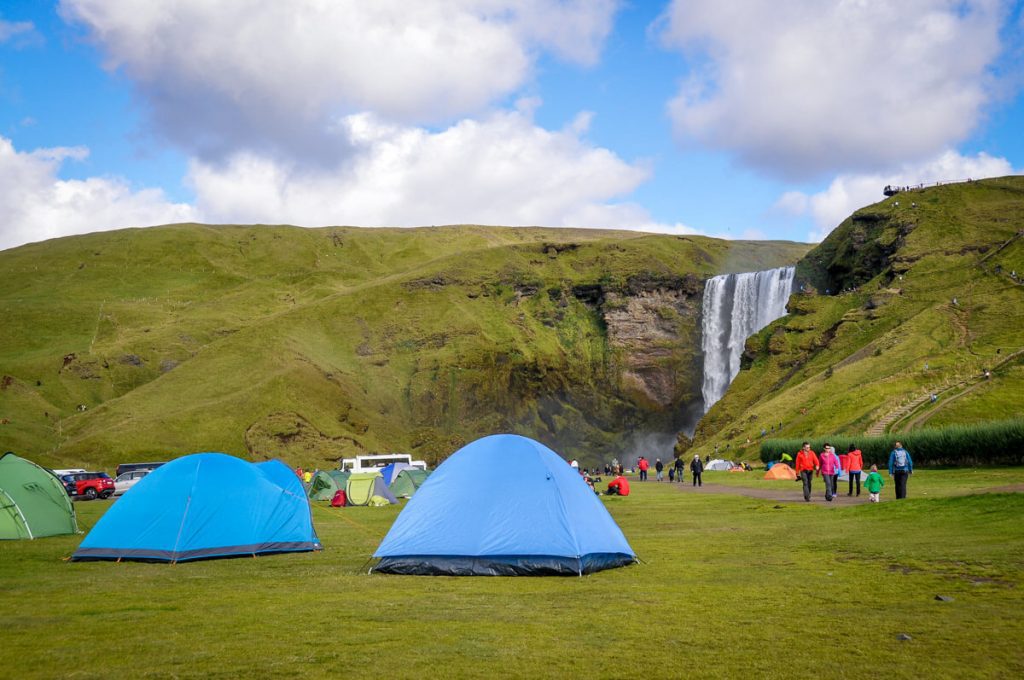
Yes, even if you’re not planning on actually camping, some campgrounds actually have cabins or guest rooms onsite that can be on the more affordable side.
Another perk to this option is that you’ll likely have access to their kitchen facilities which will allow you to cook your own meals.
Save money on transportation
Being that gas is imported to this island nation, transportation around the country is not cheap, but there are definitely ways you can save money.
14. Save money on your rental car
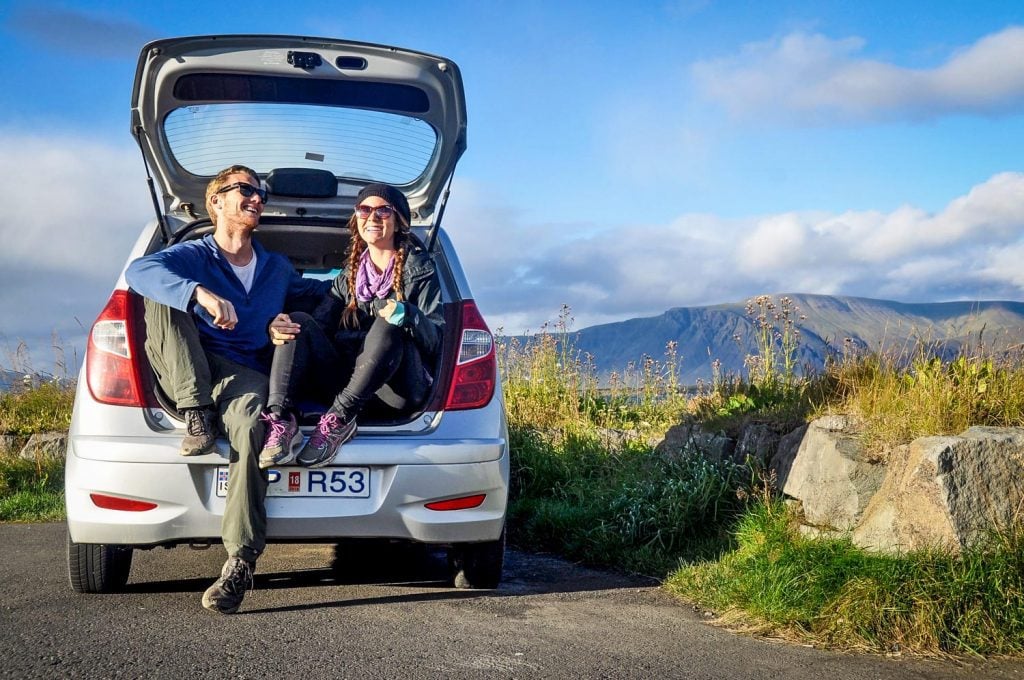
Rental car prices in Iceland can fluctuate from affordable to straight-up crazy. Here are a few tips that will hopefully help you save money on your rental vehicle.
Compare different companies
With Booking.com (formerly RentalCars.com). This is the booking platform we typically use for car rentals no matter where we are in the world because we can see prices from all companies compared. They also allow free cancellations on most bookings and there are no hidden fees.
Start your search early
Rental car prices are one of the costs that can increase dramatically as you get closer to your travel dates. As the supply dwindles, the companies charge more.
When planning our most recent Iceland trip, we saw prices for average sedans skyrocket to more than $500 USD per day. PER DAY. That’s just insanity.
Avoid getting stuck with ridiculous prices as your only option by making your reservation as early as you possibly can.
Hot tip: Some car rental companies (Booking.com, for instance) have free cancelation, so you might as well book even if you’re not 100% certain. Just be sure your booking is eligible for free cancelation before you confirm.
Determine if you really need a 4×4
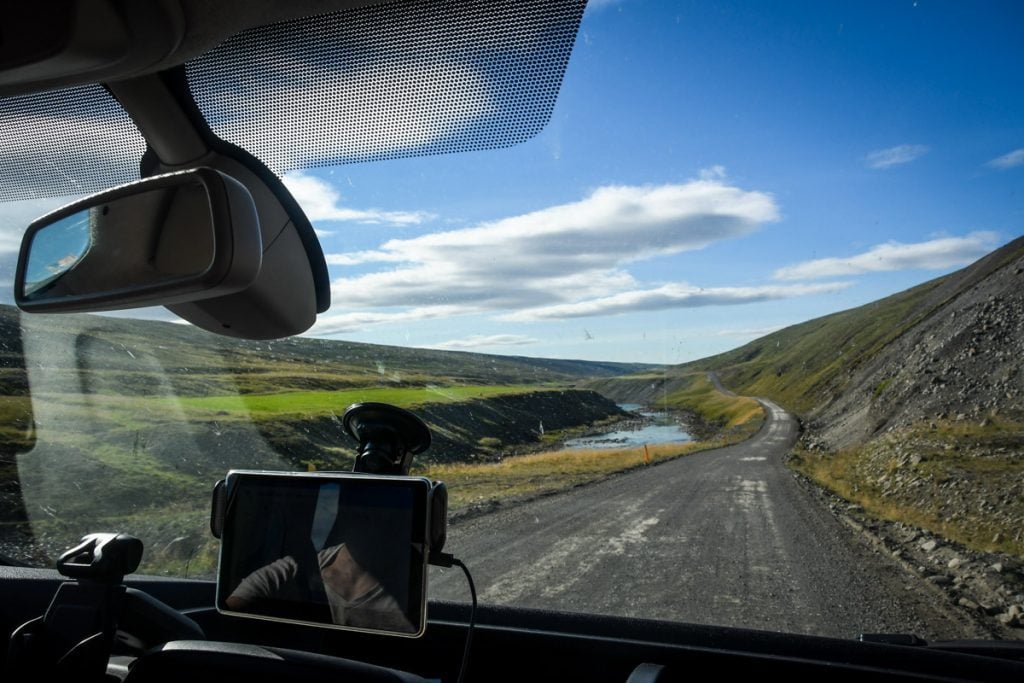
In Iceland, there are routes known as F-roads that are off limits to all vehicles except for 4x4s.
If you have specific locations in mind (like the Highlands) that are on F-roads, you’ll definitely want to spend the extra money and get a 4×4 vehicle. But for most travelers, a regular car should be fine (and should save some money).
For example, we did the entire Ring Road (plus some really cool off-the-beaten-path) locations without a 4×4. That said, next trip we’ll be splurging for a 4×4 upgrade so we can see even more of the country.
Save with a manual transmission
If you know how to drive stick, you can save some money by booking a manual vehicle. However, if you’re not comfortable with stick shift, opt for the automatic transmission and save money elsewhere.
Skip the rental in Reykjavík
If you plan to spend time in Reykjavík during your trip, you do not need a rental car during your stay. The main attractions in the city are all within a central location, so if you book a well-located hotel, you shouldn’t need a vehicle of your own.
Plus, you won’t need to worry about paying parking fees.
Book a rental car from Keflavik
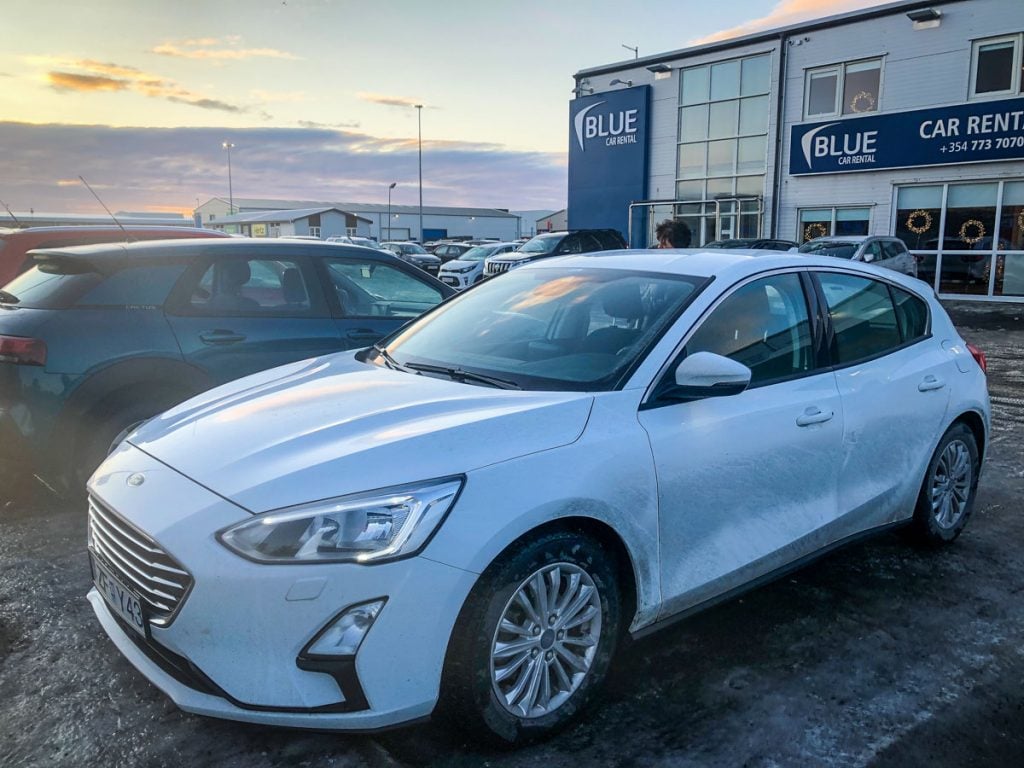
Instead of picking up your rental car in downtown Reykjavik, it makes sense for most people to get their vehicle immediately after landing at the airport. This way, you don’t have to book the shuttle to the city, which costs about $32 per person.
Most rental companies have a free shuttle service to their facility if it’s outside of the airport.
→ Further reading: Check out our guide to renting a car in Iceland. It’s packed with even more tips and essential information you should know before getting onto those Icelandic roads.
15. Save money on gas
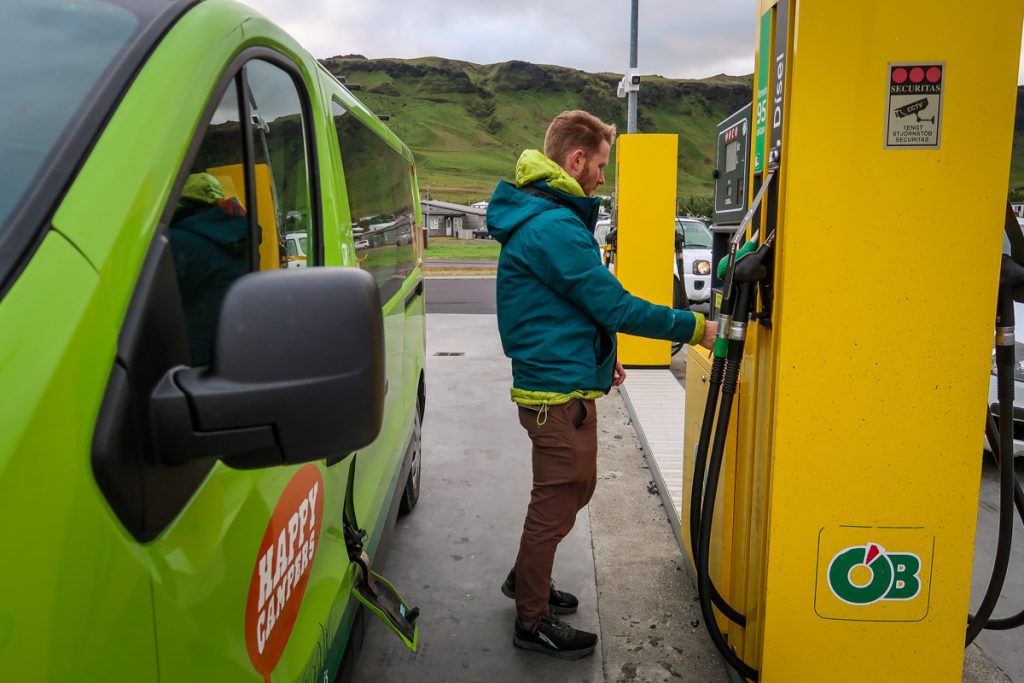
Gas will likely be one of your biggest expenses while traveling in Iceland, so it’s good to know there are a couple of ways to save money in this category.
Get a discount card
First of all, ask your campervan rental or car rental company if they have any loyalty cards with local gas stations.
Our campervan rental company gave us discount cards for two gas station chains. When searching for places to fill up, we’d always seek out one of those two stations (by searching for them in Google Maps by name).
Compare prices using apps
Before rolling up to a gas station and paying whatever they’re charging, wouldn’t it be cool if you could shop around and compare prices? Well, there’s an app for that!
Bensin is an Icelandic app that displays current gas prices near your location. That way you know you’re getting the best deal around. Alternatively, Google Maps typically also shows current gas prices. We found Bensin to be less user-friendly than Google Maps, but more accurate with pricing.
→ Psst! Here are more essential apps to download before your trip to Iceland!
And if you’re trying to figure out costs to factor into your Iceland budget, NorthBound has a handy gas price calculator with up-to-date prices.
Get free coffee
If you need a pick-me-up when you fill up, here’s a hot tip: Some gas stations offer free coffee to those that have just filled their tanks.
Ask if this is the case (some gas stations, especially those in more remote areas, don’t participate in this). Additionally, ask your rental company if they have any coffee coupons. Ours gave us a whole brochure filled with free coffee coupons for N1 gas stations.
Good to know: You can usually pay at the pump in Iceland, but many gas stations—especially in remote areas—require a card with a PIN. Some larger stations don’t, and if there’s an attendant, they can often unlock the pump so you can pay inside. Still, having a card with a PIN will save you time and hassle.
16. Avoid backtracking
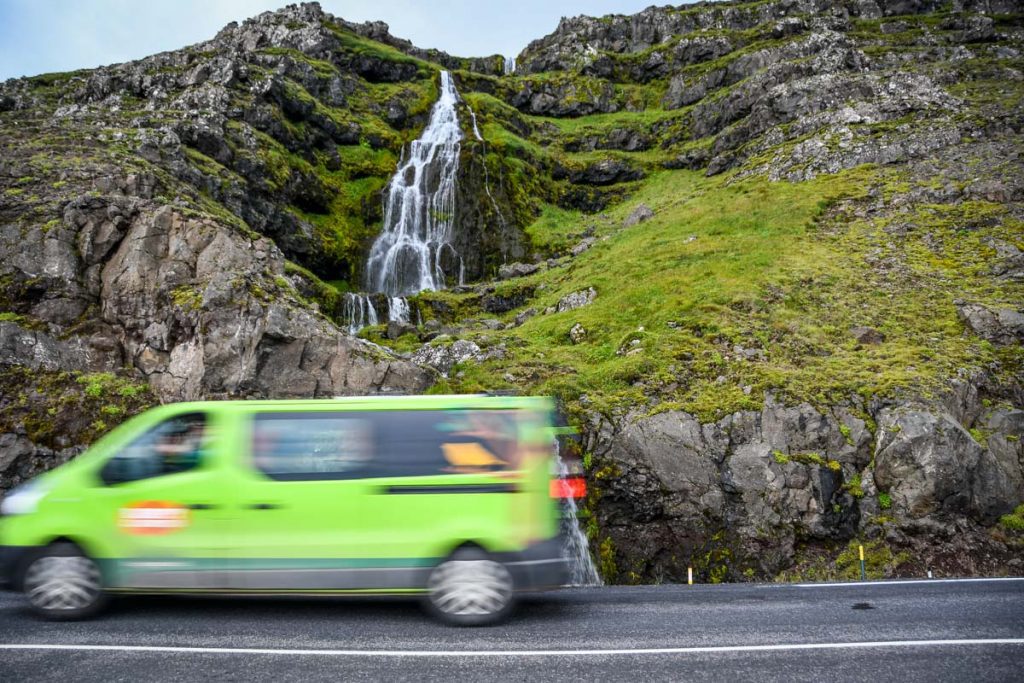
Since gas is so expensive in Iceland, it’s a good idea to plan your route in the most efficient way possible. Backtracking equals gas money, so just keep that in mind when you’re designing your Iceland itinerary and choosing which sights to include.
17. Try a rideshare
This tip probably won’t be applicable for all that many travelers, however, if you are flexible this could save quite a bit of money.
If you’re a solo traveler or have extra space in your rental car, there are a few rideshare forums for like-minded people to meet up and explore Iceland together. Just post where you want to go, your intended travel dates, whether you have a car or not, and a little description of yourself.
One of the more popular rideshare forums is called Samferda (which means “traveled” in Icelandic).
It’s a win-win for everyone: solo travelers get a ride and drivers can split gas money (plus, this means there are fewer cars on the road so Mother Nature is happy).
18. Hitchhike
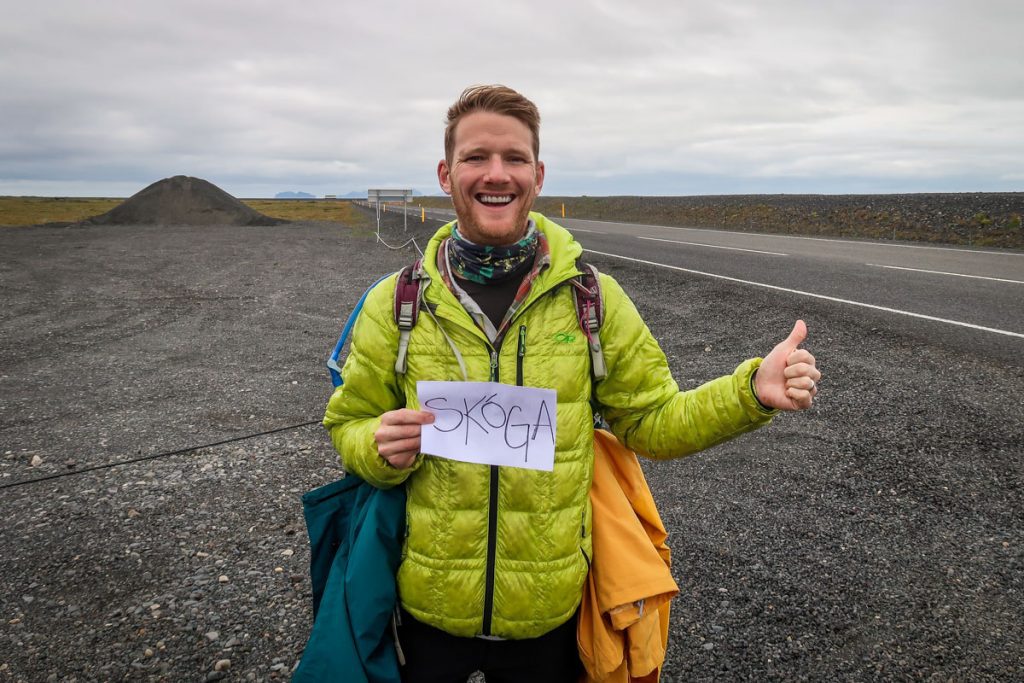
Another tip that won’t be for everyone, but hear me out…
Hitchhiking can save a lot of money. Transportation in Iceland is expensive, which is why you’ll often see travelers hitchhiking along the Ring Road. Iceland is very safe, and with one main road circling the country, it’s relatively easy to catch rides going your direction.
That said, hitchhiking requires flexibility, patience, and minimal luggage. You can’t rely on a rigid itinerary, and many cars are small or packed with camping gear. If that doesn’t scare you off, you’ll save money—and likely meet some interesting people along the way.
Even if you have a rental car of your own, you may find yourself hitchhiking on your trip – we did…
Our experience hitchhiking in Iceland
We did the Fimmvörðuháls Hike, which starts and ends in different places. After doing some research, we found that taking a taxi the 25 minutes between the two points would cost us an insane amount.
Instead, we held up our thumbs and a sign with our intended destination (a popular waterfall). Within 5 minutes, a sweet German couple on their honeymoon picked us up as they were headed that direction anyway.
If you find yourself in a similar situation, just know that hitchhiking could be an alternative to taking a taxi.
Save money on transportation in Reykjavík
We’ve got some tips specifically for getting around Reykjavík. If you plan to spend any time in this city, you’ll want to keep these tips in mind.
19. Avoid taxis
…like the plague. Well, I suppose not really. But if you can, avoid taking taxis on your trip unless you want to cry at the total bill.
And on a related note, no, Uber is not available in Iceland. So how can you get around? Keep reading for a couple options.
Our advice: When in Reykjavík, book your accommodation with location in mind so you don’t have to take taxis. Saving $20 per night might not actually be worthwhile if you’re going to have to pay more than that in the cost of getting around town. Not to mention the time spent on transportation.
20. Take the city buses
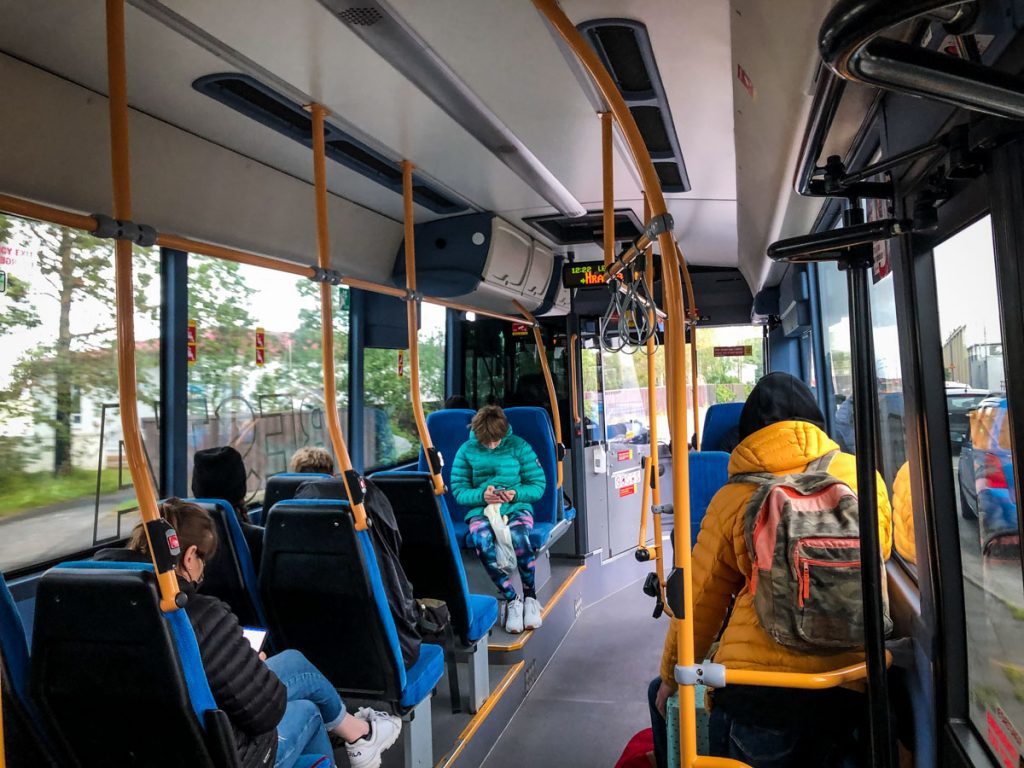
The city bus system in Reykjavík is clean, comfortable and cheaper than the alternative (aka taxis). However, it’s not as inexpensive as you may expect. Expect to pay 470 ISK ($3.65) for a single ride. Again, still better than a taxi.
Before you hop on a city bus, here are a few things you should know:
- The buses are very punctual, almost to a fault. In fact, we were making a transfer and were a few minutes early at the stop, but the bus left right as we were walking to it. Three minutes EARLY! Don’t just be on time, be early.
- The buses don’t run very frequently. On the more popular routes, expect buses to run every 30 minutes or so. On less popular routes, you might find there are several hours between buses.
- You can’t pay for your fare using a credit card. You can purchase tickets at convenience stores, but the simpler way to do this is by downloading the Strætó app. On this app, you can connect it with your credit card and purchase a single ride, triggering a screen to pop up on the app. You’ll show this screen to the bus driver when you enter.
21. Rent a scooter to get around Reykjavík
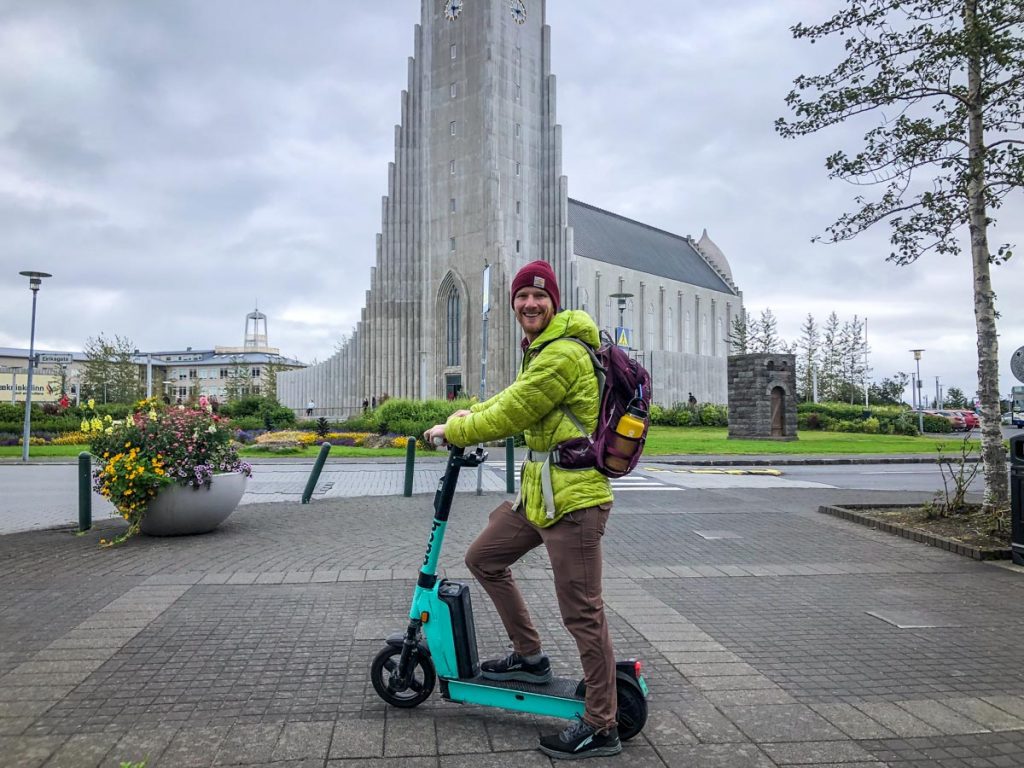
Looking for a somewhat inexpensive way to get around Reykjavík? Have a sense of adventure?
If you answered yes to both questions above, we think you’ll love renting an electric scooter to get around the city.
While not exactly dirt cheap – we spent about $25 USD each on one day of scooter rentals – it sure beats the price of taxis. Plus, it’s a lot quicker (and more fun!) than walking everywhere.
How to do it yourself: There are a few companies that have scooters around Reykjavík, and they each have an app. Personally, the one we saw most frequently was Hopp. If you plan to rent a scooter, it’s very handy to have a WiFi hotspot or cell service of some sort, as you’ll need a signal in order to begin and complete your rental.
22. Book this airport shuttle
If you need to get to Reykjavík from the airport, or vice versa, skip the taxis and instead book a shuttle bus. Unless you have a large group of people traveling together, this will save you money!
Flybus is the most popular shuttle service that runs from Keflavik airport to Reykjavík and back.
Booking your shuttle through Get Your Guide is the cheapest price we found (and we did quite a bit of searching). While it isn’t a ton cheaper, we got our shuttle tickets for $32 each (saving $8 from what we saw elsewhere).
Insider Tip: When booking your ticket, you’ll see two pickup/drop-off options in Reykjavík: hotels or the BSI Bus Terminal. The terminal is slightly cheaper, but it’s outside the city center. Unless you’re staying nearby, hotel pickup is worth the small extra cost to avoid hauling luggage across town.
Save money on food
One of the easiest categories to save money while traveling in Iceland is food. We’ve got all sorts of insider tips to help you out…
23. Cook your own meals
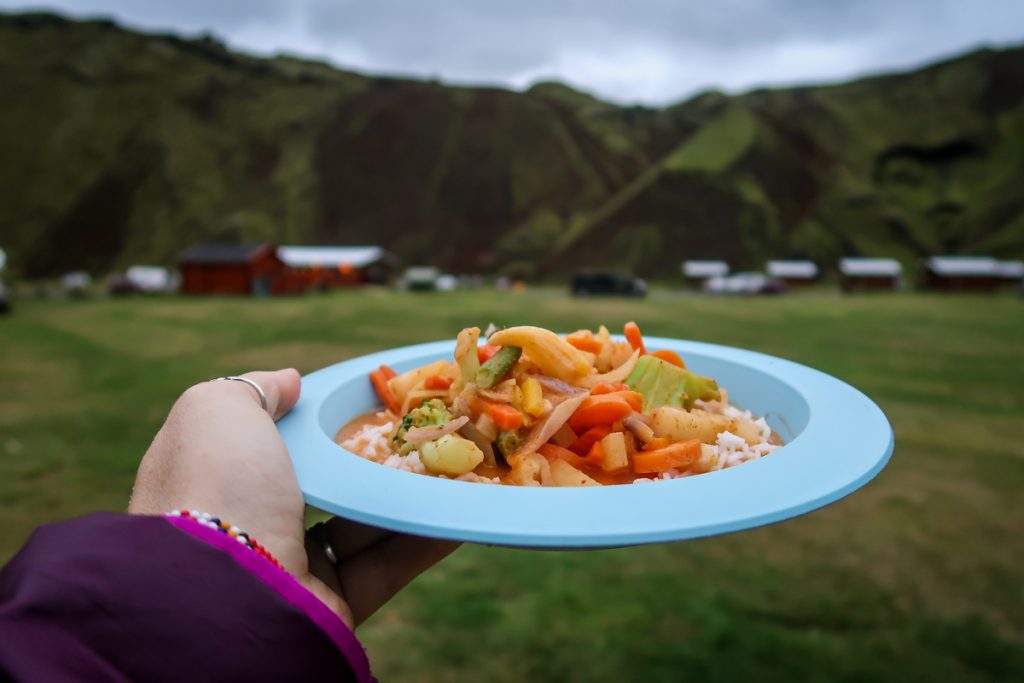
Sitting down for a meal in Iceland will make your wallet noticeably thinner. If your budget affords, splurging on a nice meal or two during your trip can be an amazing experience.
→ Psst! We’ve got a whole list of the best Icelandic foods to try (aka the ones that are worth your money), and which ones to skip.
But if you’re trying to avoid those eye-watering bills altogether, you’ll want to plan on cooking as many meals as possible.
We actually found groceries to be pretty reasonable in Iceland. That is, if you avoid a couple of things…
Money-saving tips for groceries
- Go veggie: Cooking vegetarian meals will save quite a bit of money. Plus, it’s easier not having to deal with raw meat. Instead, incorporate beans for a healthy dose of protein.
- Shop the frozen aisle: Produce in Iceland is pretty darn expensive, and when you consider it’s a volcanic Iceland just outside the Arctic Circle, it’s easy to understand why. Instead, buy frozen berries (to go with your Skyr!) and frozen veggies to put in pastas, curries, and stir fries.
For more budget tips, we put together a huge guide to help you understand groceries in Iceland. It’s filled with plenty of money-saving hacks and insider advice you won’t want to miss.
→Want some easy meal ideas? Here are our all-time favorite camping recipes! Bonus: They’re healthy, easy AND cheap!
24. Bring food from home
If you’re planning to cook many of your meals, it may be a good idea to pack some ingredients from home. That’s right – you can bring up to 3 kg (6.6 pounds) of food into Iceland.
There are some things that are affordable and easy to get once you’re in Iceland, and other staples that are expensive or difficult to find.
To help you determine what exactly to pack from home, we made a detailed list of foods that make sense to travel with. You can find it in our guide to Icelandic grocery stores (under the “tips for shopping” section).
One more thing to bring from home: Most grocery stores in Iceland charge for grocery bags, so pack a reusable shopping bag from home. Not only will you reduce the amount of waste you create (good for you!), but you won’t have to pay for bags.
25. Shop at Bónus for your groceries

It’s pretty widely-known that Bónus supermarkets have the lowest prices on groceries in Iceland. If you’re on a budget, try to do your shopping here. Krónan is another good option for thrifty travelers.
I’ll say it again folks…
For more grocery shopping tips, we’ve got a big ol’ article just for you with all the Icelandic supermarket tips you’ll need!
26. Score free food
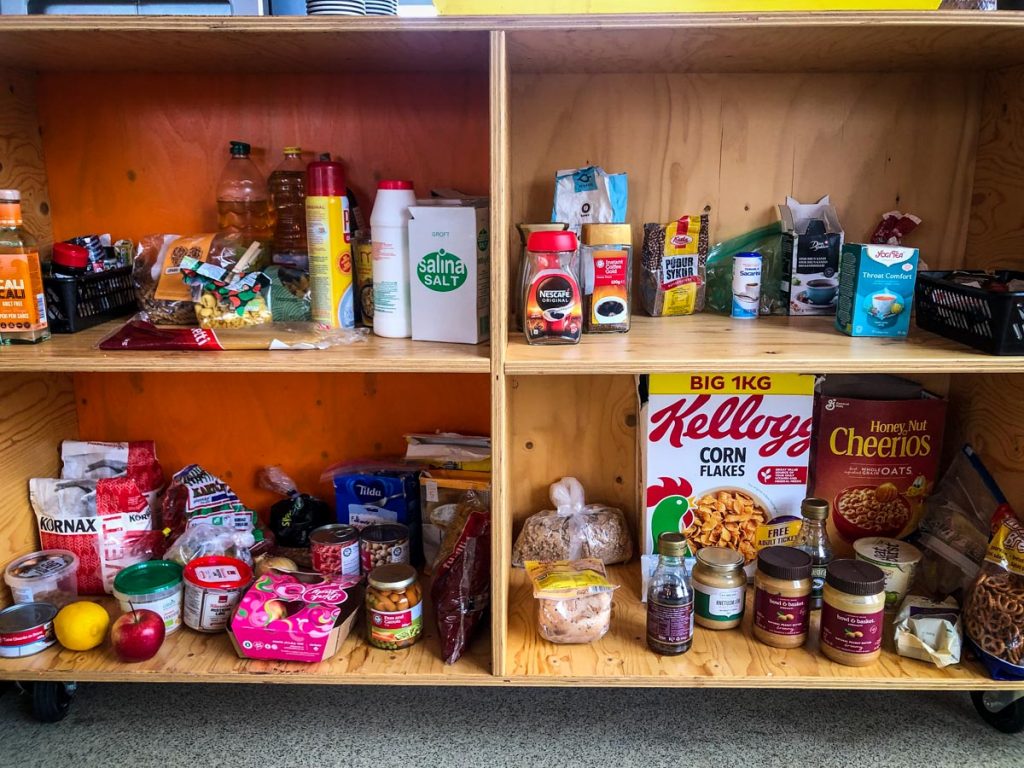
If you’re planning to cook, try checking the free bins at campgrounds and campervan rental companies to score some staple items for the best price out there… FREE.
When travelers end their trips, a lot of times they’ll leave any remaining food items in these bins for others to be able to use. Lucky you! It’s a good place to look for things like spices, pasta, rice, and canned goods.
We actually found quite a few things that were totally unopened, so give those bins a check!
27. Eat at gas stations (when you don’t want to cook)

Gas stations in Iceland are known for tasty and relatively cheap food – namely hot dogs.
I’m not exactly a hot dog person, but I will admit the ones we had in Iceland were good.
That said, some people make it seem like you can live off gas station food during your trip to Iceland in order to save money. And while I think it’s a good option in a pinch (or to try it for the experience), it’s not a solution for the majority of your meals. I mean, unless you like having fast food every day.
On our most recent trip, we found a typical hot dog with fixings to run between 450 and 700 ISK ($3.50 – $5.50). A meal of a hot dog, fries and a soda is about 1,400 ISK ($11).
Sure, eating at gas stations is a cheaper alternative to traditional restaurants, but if you’re tight on money, we wouldn’t recommend solely relying on them for budget-friendly meals.
28. Split (if you can)
If you’re traveling with a partner, you will have the option to split meals if you feel comfortable doing so.
For instance, there were some restaurants we wanted to try, but we weren’t all that hungry or the portions were huge. So instead of ordering two meals and throwing some away, we’d order just one. A win for food waste and a win for our wallet!
Obviously, there are some places where it wouldn’t feel appropriate to do this, so use your discretion. But at many casual dining places or food truck-style restaurants, this can be a great way to save money.
29. Buy alcohol at Duty Free
Relaxing with a drink after setting up camp is a treat. But if you plan to indulge, you’re gonna want to read this…
Alcohol in Iceland is heavily taxed, and is therefore expensive AF.
Fun Fact: Did you know that beer was outlawed in Iceland until 1989? NINETEEN-89!!!
If you plan to drink, buy alcohol at duty-free when you arrive, or pack some in your checked bag (within customs limits). The Keflavik Airport website does a good job explaining the specific customs regulations, but basically, you’re allowed to bring one liter of spirits and either one liter of wine or 6 liters of beer.
And if you’re on an uber-tight budget, just refrain from drinking altogether. DUH.
30. Drink from the tap
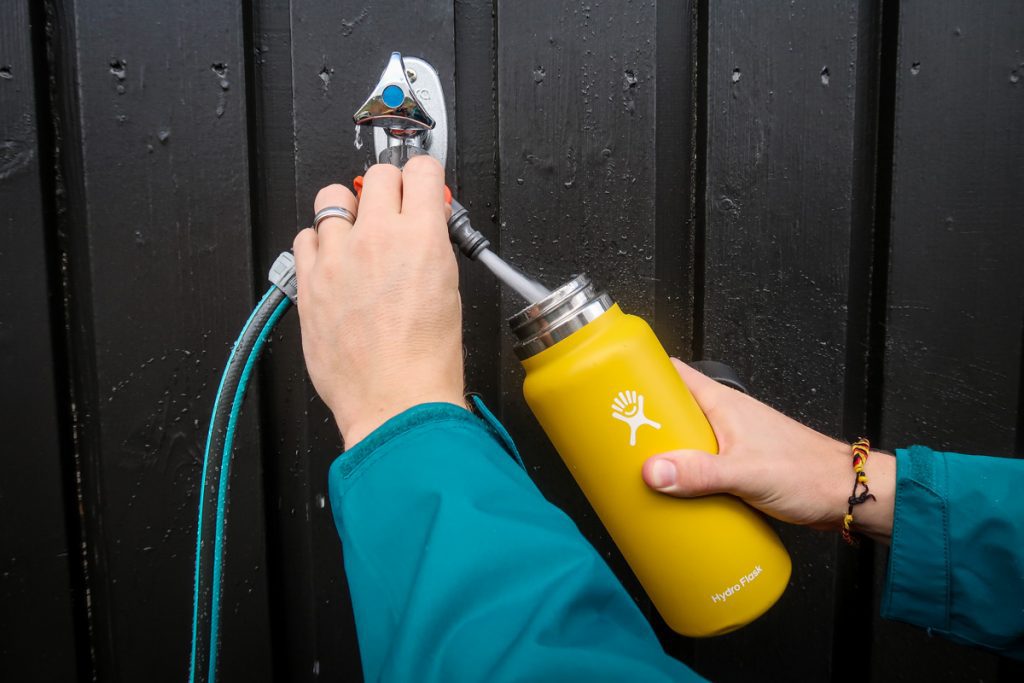
There are some countries where drinking tap water will give you tummy problems, but Iceland is not one of them.
We met a local who joked that the bottled water companies just fill up with the same water that comes out of the taps, then make crazy money off the tourists.
Not sure that’s true, but we can tell you with certainty that the tap water in Iceland is delicious and FREE. It’s some of the best water in the world, and you can find taps everywhere.
Fill up a reusable water bottle at gas stations or campgrounds to avoid using plastic and to save some money (the bottled stuff ain’t cheap!).
31. Make your own coffee
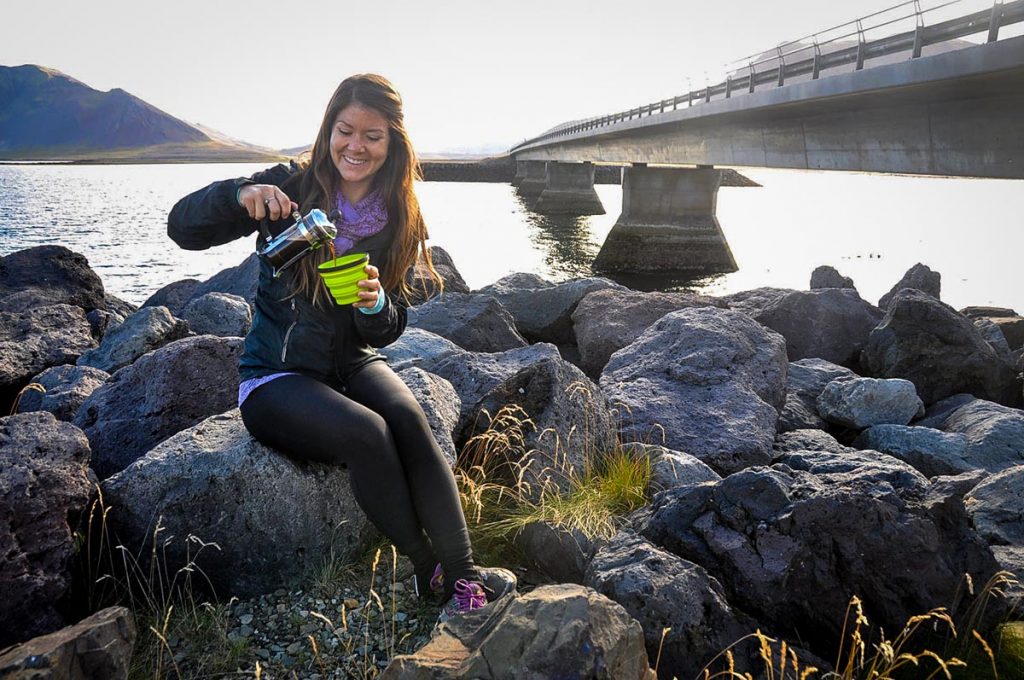
If you have a caffeine habit (guilty as charged!), this tip will help save dough on your morning joe. Those daily coffees will start to add up, so it’s nice to have the ability to make your own.
Most campervan rental companies will have the option to rent a small French press, which we did on our first trip to Iceland and it worked really well.
However, on our most recent trip, we brought a travel Aeropress with us and loved it. It was our first time using an Aeropress, and while it doesn’t make nearly as much coffee as our trusty French press at home, it sure makes an excellent brew.
Things to consider:
- Pack a thermos. It’s nice to have something to keep it in while you’re driving.
- It’s nice (but not necessary) to have a JetBoil. This is a handy device that heats up water in 60 seconds, and we use it all the time when we’re camping. It’s handy for making coffee because you don’t have to clean out a pot in which to boil water. It’s not totally necessary and I don’t think I’d recommend buying it just for this trip, but we thought it’s worth mentioning if you have one at home. The downside is that you will have to purchase propane once you’re in Iceland since you cannot fly with it.
- Buy coffee in Iceland. We didn’t find it to be too much more expensive than what we’re used to buying in the United States, so we’d recommend just picking up a bag at the grocery store when you land in Iceland. Unless you pack a manual grinder, be sure to buy coffee grounds instead of whole beans.
Too lazy to make your own coffee? You can get it for free at many gas stations when you fill up. Plus, at many car or campervan rental places, you can find brochures with free coffee coupons for N1 gas stations!
32. Save on food & drinks in Reykjavík
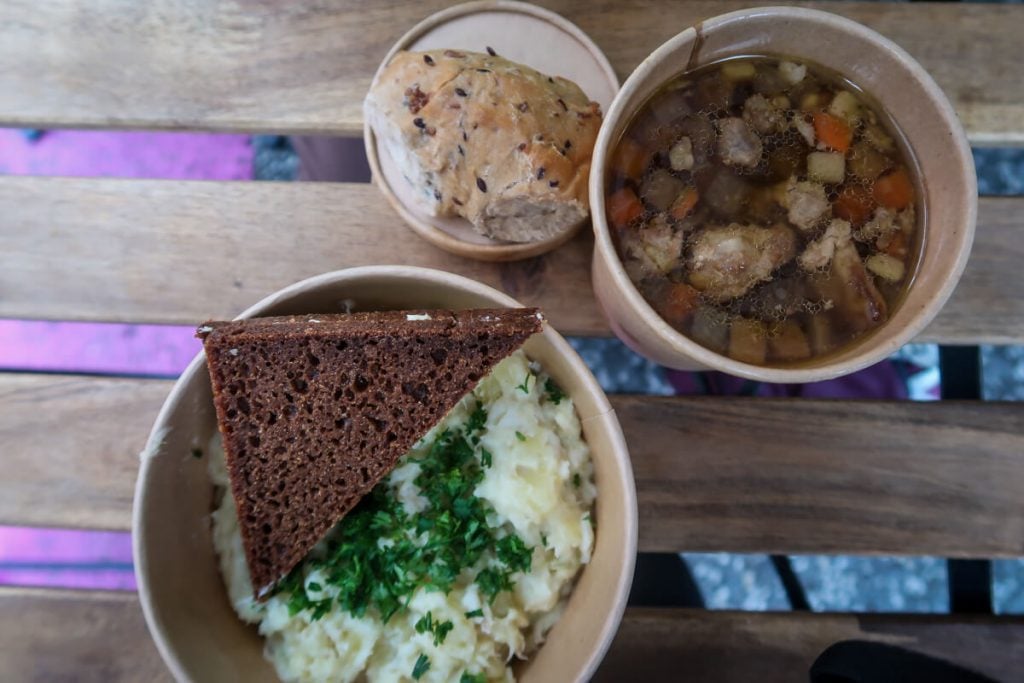
Eating out in Reykjavík ain’t cheap.
These tips will help you save money on food in this notoriously expensive city:
Get the famous hot dog
Bæjarins Beztu Pylsur gets a lot of hype for their hot dogs. And budget travelers will delight knowing this “must eat” place lives up to the rave reviews and is super budget-friendly. At just 550 ISK ($4.25), it makes a good cheap light lunch or a good afternoon (or late night!) snack.
Sample classic Icelandic food for cheap
101 Reykjavik Street Food is a popular restaurant that serves up classic Icelnadic food at a fair price. You can get a meal for around 1,850 ISK ($14).
Seek out Happy Hour
If you want to go out for a beverage at night, consult this article to find the best deals in town. Alcohol is notoriously expensive in Iceland, after all, so it makes sense to plan ahead if you’re on a budget.
Picnic
Grab some staples at Bónus (the cheapest supermarket chain in Iceland), and enjoy a picnic instead of eating out. Choose from items like flatbread, tuna, skyr (similar to yogurt), apples, crackers and cheese for a simple meal that requires no cooking.
Go big for lunch instead of dinner
Many restaurants in Reykjavik have a lunch menu that is similar in offerings to their dinner menu, but has lower prices. Make lunch your biggest meal of the day, then get something smaller at dinnertime to save money.
Save money on entertainment
There are plenty of ways to have fun for free in Iceland. We’re sharing our tips for finding free things to do as well as how to save money on some paid activities.
33. Take advantage of free activities

One really amazing thing about traveling in Iceland is that most of the attractions are absolutely free. That’s right – you don’t need to pay an entrance fee to view the iconic waterfalls or to walk along the ice lagoon. There are incredible viewpoints throughout the entire country and all you have to do is drive up to them.
Some of our favorite free activities/sights in Iceland are:
- Visiting the Snaefellsnes Peninsula
- Fimmvörðuháls Hike (though you will need to pay for transportation back to your accommodation)
- Stuðlagil Canyon
- Most of the sights along the Golden Circle
- Sólheimasandur Plane Crash
- Jökulsárlón Glacier Lagoon and Ice Beach
If you follow our 7-day Iceland road trip itinerary, you’ll find a lot of these free activities!
34. Free things to do in Reykjavik
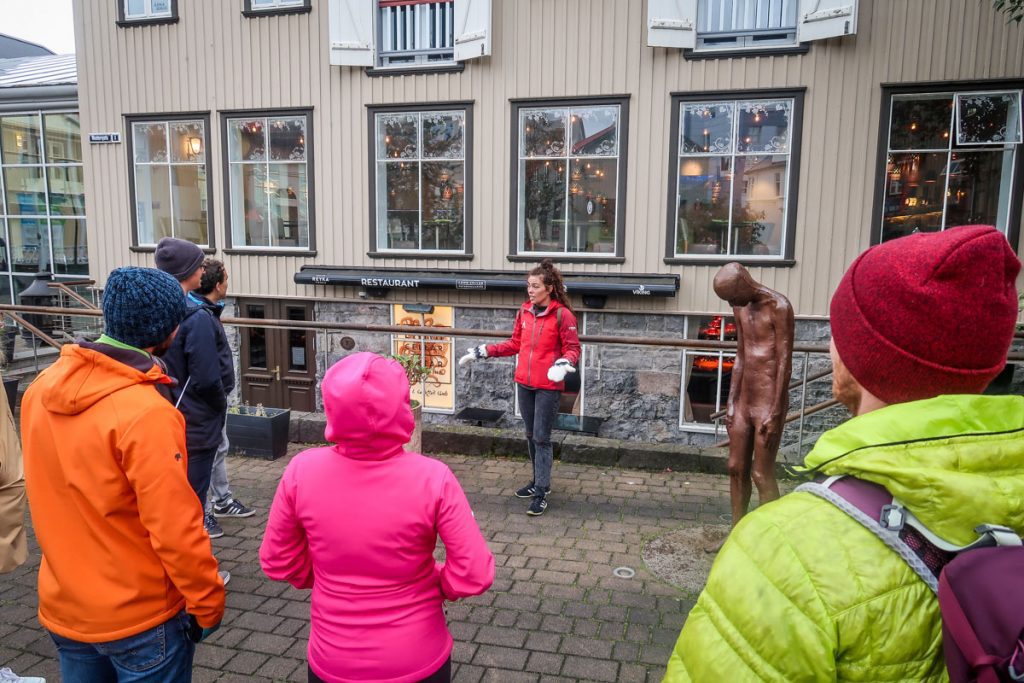
Reykjavík may be an expensive city when it comes to food, drink and accommodation (yikes!), but luckily, there are tons of free things to do.
Free (or cheap) sights in Reykjavík
- Take a Free Walking Tour: Get to know the city with a local guide. The tour is free but it’s worth noting that tips are expected.
- Walk around the harbor: The harbor area is pretty cool, especially in the late afternoons when it comes alive.
- Pufa: If you’re near the harbor, check out this quirky spot. It’s a circular little hill which you can climb and get a unique view of the city.
- Photograph Hallgrimskirkja: This iconic church is quite a sight, especially as it looks behind the rainbow painted street leading up to it. Getting a view of the city from the top of the church costs 1,000 ISK, but photographing it from below is totally free.
- Harpa Concert Hall and Sun Voyageur: Both of these iconic sights are located on the water and can be seen together.
- Soak in a public pool: If you want a thermal bath experience but don’t want to pay Blue Lagoon prices, search “public pool” in Google Maps and choose one of the many options in Reykjavík. Entrance to these local establishments is around 1,000 ISK (just shy of $8).
→ Want more ideas of things to do? Check out our guide to things to do in Reykjavík, which is packed with tips!
35. Bathe where the locals do
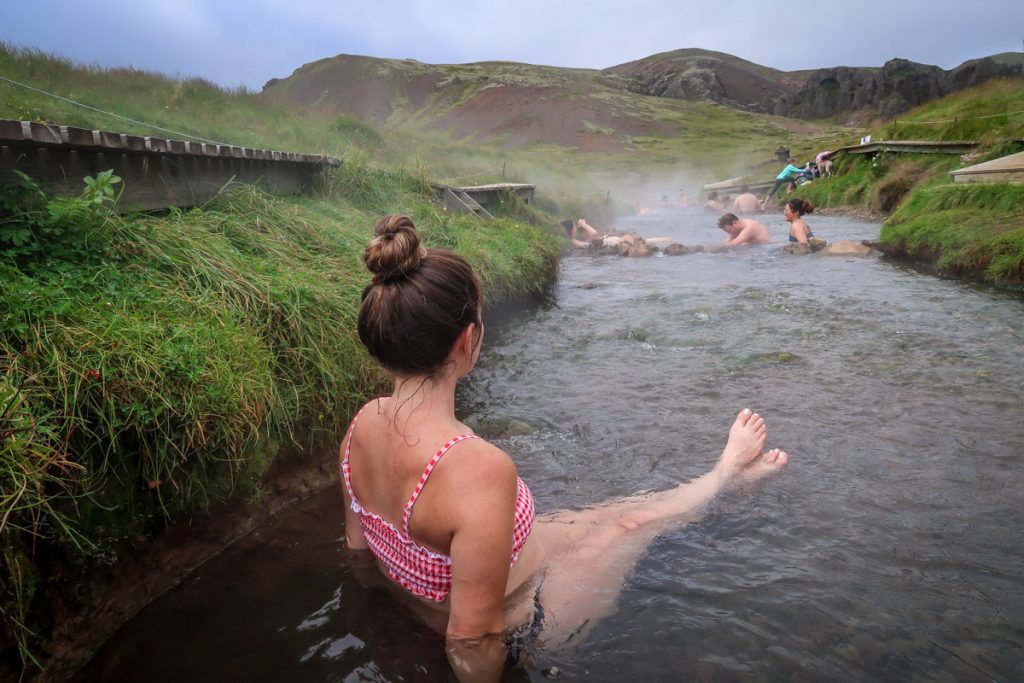
Soaking in hot springs is one of the most popular things to do in Iceland. And the good news is that you can totally do this on a budget.
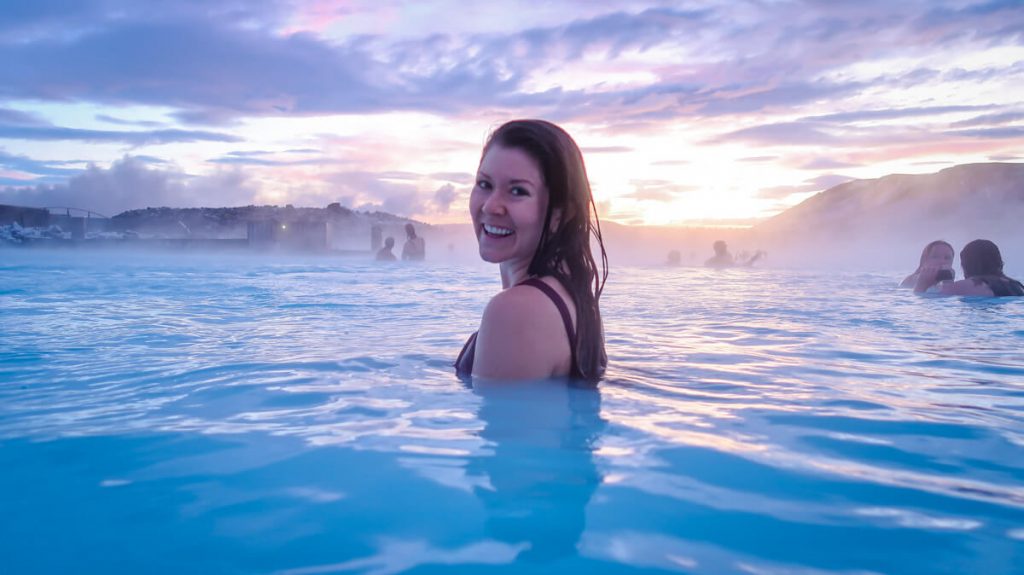
While the famous Blue Lagoon is undeniably cool, it also comes with a hefty price tag ($100+ in peak season!). If you’re traveling on a tighter budget, don’t worry. Iceland is full of free and affordable places to soak, and many of them offer an experience that feels far more local and just as unforgettable.
Free hot springs in Iceland
We have a whole list of the best hot springs in Iceland, including plenty that don’t have an entry fee! Check out our list or do a quick Google search to find the best free hot springs.
Things to know about free hot springs in Iceland:
- They’re not regularly maintained—expect mud, algae, and a more natural feel
- Leave no trace; some springs have been closed due to disrespectful visitors
- Be mindful of others and share the space respectfully
- Wear a swimsuit—nudity isn’t the norm in Icelandic hot springs
Public pools in Iceland

Nearly every town in Iceland has a heated public pool, usually outdoors. These typically include a cooler lap pool and several warmer soaking pools (the best part).
Entry is very affordable—often under $10—and while they’re not luxurious, they offer a genuinely local experience.
Things to know about public pools in Iceland:
- Locals use them to socialize, so expect a lively atmosphere
- Showering naked before entering is required (and taken seriously)
- Pools are open year-round—rain, snow, or shine
- Bring a towel; rentals can cost extra, even at some paid hot springs
36. Plan out your splurges
With an abundance of once-in-a-lifetime experiences, it’s smart to figure out what’s on your “must-do” list before you hop on a plane.
Research all the things you’re interested in and narrow them down to the ones you really can’t live without. This will prevent you from making impulsive decisions on your trip.
Save everything else for your next trip to Iceland. That’s right, I’m pretty confident that you, too, will want to return a second and even a third time!
37. Be picky about guided tours
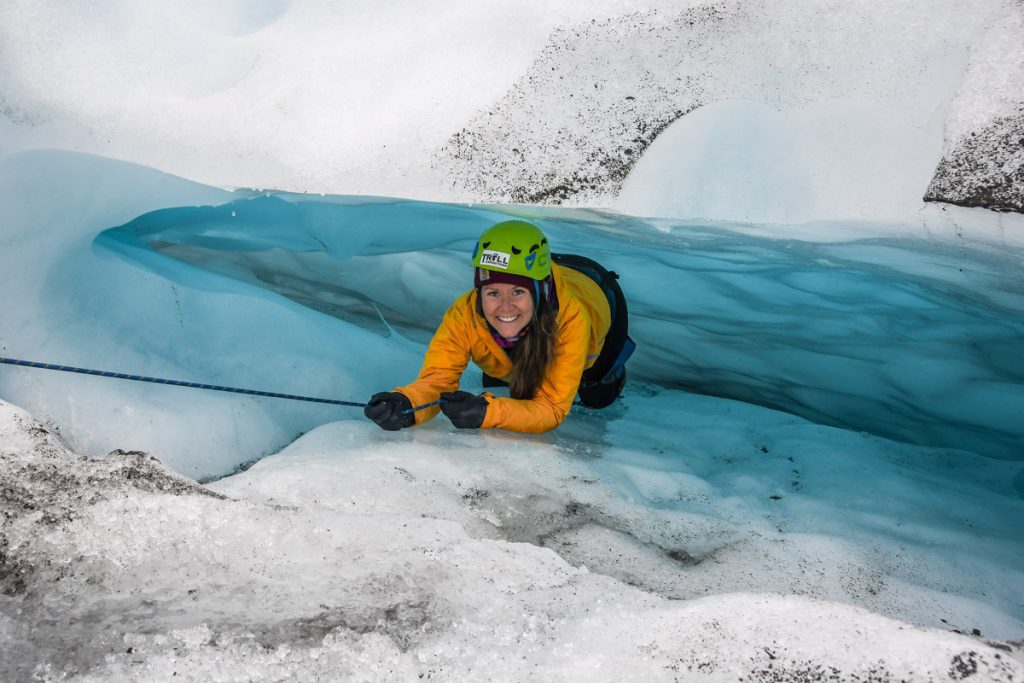
There are lots of incredible-sounding tours out there and it can be tempting to book ‘em all. But you’re reading this article because you’re on a budget, and I’m going to be blunt: Tours in Iceland aren’t made for thrifty travelers.
Some of these tours boast once-in-a-lifetime experiences, so if your budget allows, by all means splurge!
But if your budget is restricted (hey, us too!) be mindful about which tours you choose, and treat yourself to something you can’t do independently. Like a glacier hiking tour or a whale watching trip.
Our advice: Determine which things you can realistically do yourself. The Golden Circle tours, for instance, can easily be replicated in your own rental car for a fraction of the price. We even have you covered with the perfect Golden Circle itinerary so you can easily DIY it.
38. Seek out discount codes
A lot of tour companies in Iceland offer discount codes, so before booking, do a quick Google search for “[Tour Operator] discount code” and see if you find anything.
Typically they’re 5-10% off, but hey, every little bit helps, right?
If you don’t find any promo codes by searching, you can always email the tour operator and ask if they offer any type of discount. The worst they can say is no.
39. Grab a coupon book
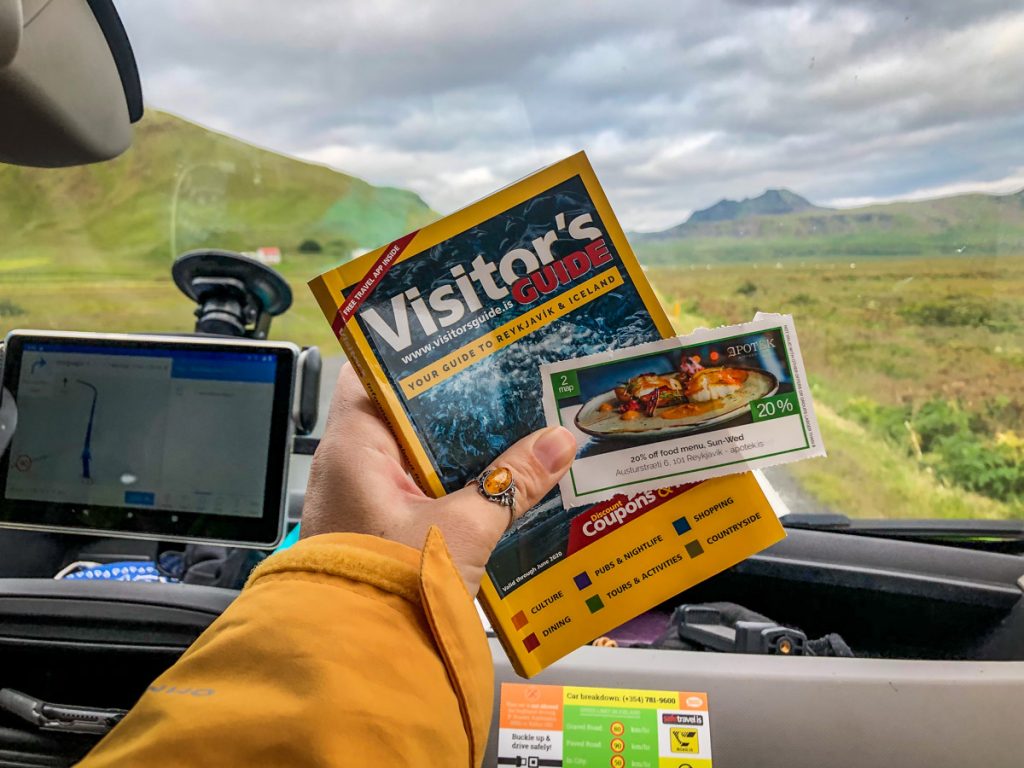
I’m not usually big on coupon books, but I picked this one up on a whim and found it to be pretty useful. We only used one offer inside, but there were several that were pretty good.
(You can find this book at hotels, rental car companies, tour agencies, etc.)
If you plan to have a fancy meal out in Reykjavík (we highly recommend you do if your budget allows!), this is a good place to find a discount on some bougie restaurants in the city.
We found a 20% off coupon for Apotek, a restaurant we were already planning on dining at, so we saved a cool $35 off our total bill. Score!
Psst! Iceland is expensive — which is why having a solid plan matters. Our South Coast itinerary includes budget tips throughout, shows you where to save vs. splurge, and keeps you from wasting money on tourist traps. Get the South Coast Itinerary→
More resources for planning your Iceland road trip
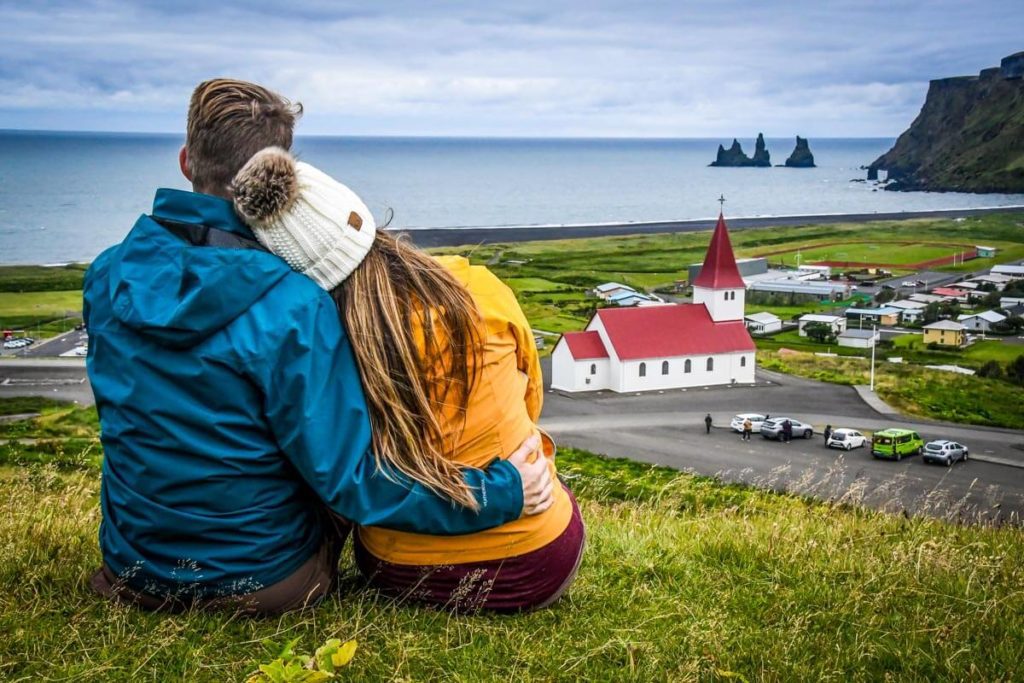
Don’t miss these other Iceland itinerary planning resources…
Road trip planning tips for Iceland
Driving in Iceland may be a bit different than what you’re used to at home, so we’re going over our top tips for making your Iceland road trip as smooth and care-free as possible.
Iceland camping guide
Regardless of which type of vehicle you rent, if you plan on camping in Iceland, you’re going to want to read this article! It’s filled with essential tips, what to expect at campsites and a round up of our favorite tried-and-true campsites around the country.
Perfect done-for-you Iceland itinerary
Want to skip the stress of trip planning?
Planning a trip to Iceland can feel overwhelming—there’s so much to see, and it’s easy to miss hidden gems if you don’t know where to look. That’s why we created our done-for-you Iceland South Coast Itinerary—so you can spend less time researching and more time soaking in Iceland’s epic landscapes.

This 7–day itinerary takes you along Iceland’s breathtaking southern coast, blending adventure with a touch of luxury. You’ll visit iconic sights like Skogafoss and Diamond Beach, plus off-the-beaten-path spots most tourists miss (like a hidden waterfall that’s one of our all-time favorites!).
With detailed daily plans, insider tips, driving directions, and hand-picked stays, this guide takes the guesswork out of planning so you can experience Iceland stress-free.
Plan your trip to Iceland
We have TONS of resources on travel in Iceland and how to make the most out of your trip. Check out our Iceland Homepage for all the answers to your most burning questions, or read some of our favorite articles below.
- Check out all of our top recommendations for things to do in Iceland.
- Read up on Icelandic foods so you know what to try and what to skip.
- Save this list of cool Iceland Airbnbs for when you’re ready to book your accommodation.
- And don’t forget camping in Iceland is one of the best ways to save money!
- You’ll want to keep this guide handy if you plan on driving Iceland’s Golden Circle.
- Read up on all the actually cool things to do in Reykjavik.
- Be sure to download these essential Iceland travel apps before your trip!
Don’t miss your chance to grab our Iceland packing list!
Click the banner to download our complete packing list for Iceland! It’s packed with good suggestions and insider tips to help plan your Iceland trip.
And it’s completely FREE, so why not!?
We want to hear from you!
Are you planning on traveling to Iceland on a budget? Do you have any more questions we didn’t cover in this article? Please leave your comments and questions below and we’ll do our best to find you the answers you’re looking for.

Katie Diederichs is the lead writer and co-founder of Two Wandering Soles, where she creates in-depth travel guides, itineraries, and tips designed to help readers plan better trips with confidence. With a background in journalism, photography, and design, she combines thorough research with firsthand experience to deliver clear, practical, and visually driven travel content. As the primary trip planner, Katie turns complex logistics into easy-to-follow advice travelers can actually use.
Wow, Katie, this guide is incredibly practical and really breaks down the challenges of visiting Iceland on a budget! I completely agree that Iceland can seem overwhelmingly expensive at first glance, but your tips make it feel much more accessible for travelers who want to experience its stunning landscapes without emptying their wallets. I especially appreciated your suggestions on prioritizing where to spend a little extra versus where to save—it’s so easy to overspend on things that don’t truly enhance the experience.